Facial Trauma Surgery
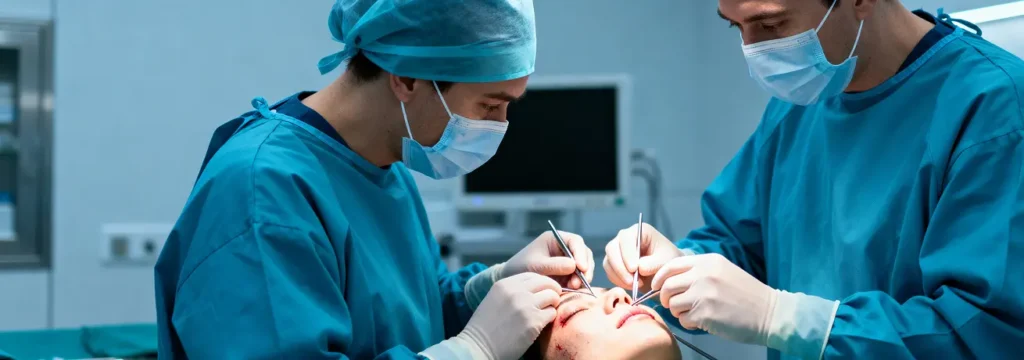
Whether it is caused by an accident, a fall, or sports, facial trauma can affect comfort and appearance. Surgery restores balance, aesthetics, and peace of mind with clear, consultant-led care.
Our Facial Trauma Procedures
We provide surgery that restores strength, improves healing, and helps patients move forward with confidence.
Broken Jaw Treatment
A fractured jaw can make eating, speaking, and even opening the mouth painful. Surgery repositions and stabilises the jaw, allowing it to heal correctly. This helps reduce pain, prevent long-term problems, and restore normal movement over time.
Broken Nose Realignment
Nasal fractures can cause pain, swelling, and breathing difficulties. Surgery realigns the broken bone and cartilage, restoring both appearance and breathing. Early treatment prevents long-term issues such as crooked healing or chronic breathing problems.
Midface Fracture Surgery
Fractures to the cheekbones or midface can affect vision, bite, and facial balance. Surgery carefully repositions bones to restore strength, symmetry, and everyday comfort, helping patients recover both functionally and cosmetically.
Stitches & Scar Repair
Cuts to the face require careful closure to heal properly and reduce visible scars. We provide precise wound repair and scar management techniques that support healing and create a more natural, less noticeable scar.
Post-Trauma Facial Reconstruction
Severe accidents can leave lasting damage that affects both appearance and oral health. Reconstructive surgery rebuilds facial structure, restores strength, and supports a more natural look, helping patients regain confidence after trauma.
Early Care, Better Healing
Timely treatment can be the difference between recovery and regret. Let’s plan your treatment together!
Why Choose Mr. Anabtawi?
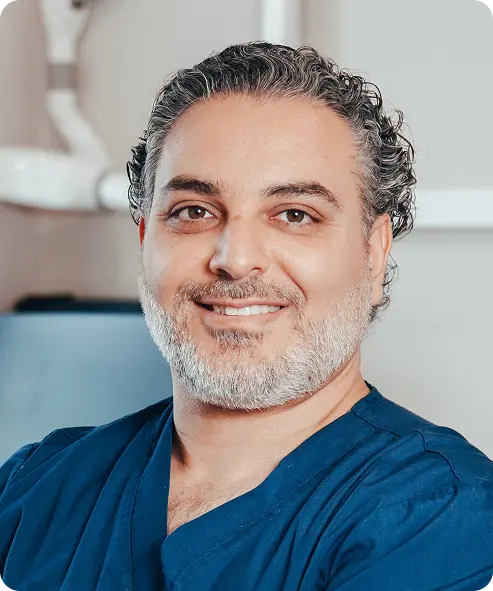
The right surgeon can deliver the results you envision. Mr. Anabtawi combines precision, experience, and care to ensure lasting recovery and restoration.
Expertise You Can Rely On
With extensive experience in facial reconstruction and advanced repair, Mr. Anabtawi brings the precision and judgement that complex cases demand.
Proven Surgical Reputation
Referred by hospitals and clinicians for complex cases, Mr. Anabtawi is recognised for consistent, dependable outcomes.
One Surgeon for Every Step
From initial assessment to final review, you’re supported by the same surgeon throughout your journey.
Why Patients Trust Us For Facial Trauma Surgery?
Facial trauma can feel overwhelming, but patients trust us because we combine medical expertise with clear, straightforward care. Every step from assessment to treatment is explained in simple language, so you always know what to expect. Our focus is not just on treating facial trauma, but also on providing you with ongoing support throughout your recovery.
In Their Own Words
Hear from patients who turned to Mr. Anabtawi for expert care in their most challenging moments.
After my jaw fracture, I was worried about eating and speaking again. The surgery and follow-up care made recovery much smoother than I expected.
They explained every step clearly, and I felt supported throughout. My nose realignment has helped me breathe and feel normal again.
Following an accident, I was anxious about how my face would heal. The results gave me both relief and confidence.
After my jaw fracture, I was worried about eating and speaking again. The surgery and follow-up care made recovery much smoother than I expected.
They explained every step clearly, and I felt supported throughout. My nose realignment has helped me breathe and feel normal again.
Following an accident, I was anxious about how my face would heal. The results gave me both relief and confidence.
Frequently Asked Questions
What should I do immediately after a facial injury?
Seek medical attention quickly. Early care often prevents complications and supports better healing.
How long does it take for a facial injury to heal?
Bruising and swelling usually clear within 2–3 weeks. Full recovery after surgery can take 6-8 weeks or longer, depending on the depth of the injury and whether nerves are affected.
Will I be able to eat and speak normally again?
Yes, that is the goal of treatment. Healing takes time, but most patients regain quality of life with proper recovery.
Can facial trauma cause jaw joint disorder ( TMJ problems)?
Yes. Facial trauma can cause jaw joint problems or temporomandibular joint (TMJ) disorders. Injuries to the jaw, head, or neck can disturb joint alignment, causing pain, popping (clicking), headaches, jaw locking, or limited mouth movement.
How long will I need to take off work or school?
For simple injuries, most people return within 1–2 weeks. Complex surgeries may need more recovery time.
How do you treat a facial fracture?
Our treatment depends on the type and severity of the fracture. We manage simple cases conservatively, while complex fractures are repaired surgically with plates, screws, or wires to restore both your health and appearance.
How soon should surgery be done after trauma?
It depends on the type of injury. Some cases need urgent treatment, while others can be scheduled safely after the swelling reduces.
Is facial injury life threatening?
Isolated facial fractures are rarely life-threatening. However, more complex fractures or associated injuries can be, and complications such as airway blockage from bleeding, swelling, or tissue damage may make a facial injury dangerous.
Can facial trauma cause sinusitis?
Yes, facial trauma can lead to sinusitis. In addition to direct damage, drainage from the sinuses can get blocked, causing infection and inflammation.
Which is the most serious complication of facial trauma?
The most serious complication is airway obstruction, which can quickly become life threatening. It may be caused by bleeding, swelling, fractured teeth, or head injury that affects breathing and reflexes.
How do you know if a face injury is serious?
A facial injury is considered serious if there is severe swelling or pain, changes in vision, difficulty breathing or swallowing, or heavy bleeding that won’t stop. Warning signs also include facial deformity, numbness, or confusion, such as slurred speech or trouble staying awake. In all such cases, urgent medical care is needed.

Get the Care You Need Today
Choose care focused on stability, balance, and long-term function.